Oculus Rift Review

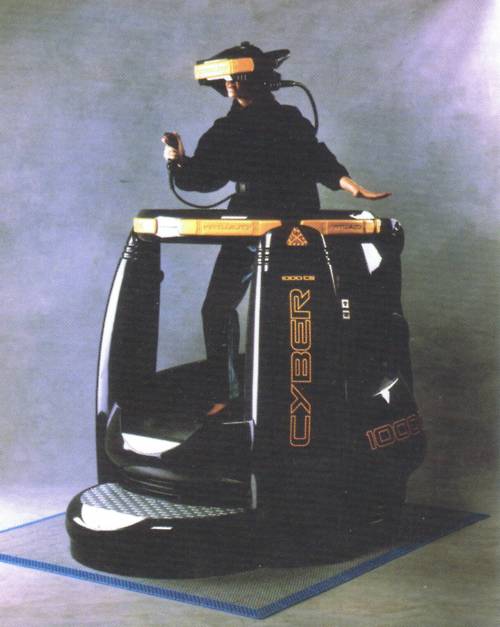
Fast forward to today: We have tested and examined the current development version of the Oculus Rift – Dev Kit2, which was released in July – the Oculus is far removed from the systems of the 90s. In terms of price too – for 300 euros (and approximately 8 weeks of waiting time), developers can get the preview today.
Field of View
The biggest difference of the Oculus Rift compared to other Virtual Reality glasses is the extended field of view. Most common VR glasses offer a 40° field of view (diagonal), whereas the Oculus Rift offers a field of view of 100° (diagonal/nominal). You don't see black edges or look into a "cinema window" in the middle of the screen. You are completely immersed in another world – the complete immersion.
Resolution
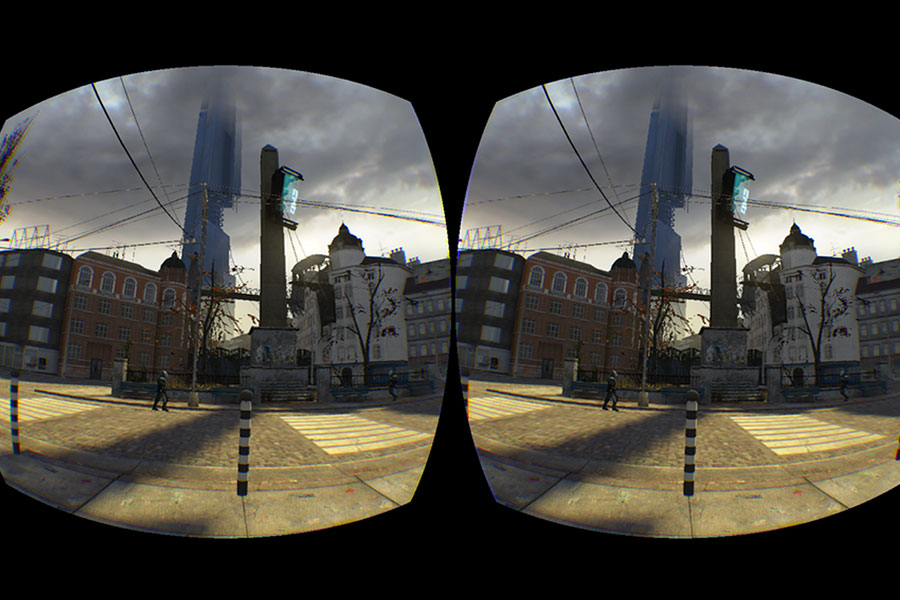
The resolution of the current Dev Kit2 is 1920x1080px, which provides a resolution of 960x1080px for each eye. This is more than the first version – but you can still see noticeable pixels. Oculus already has a new Dev Kit called "Crescent Bay" in planning, which aims to reduce this problem with increased pixel density.
Motion Sensors
Another advantage of the Rift is the precise motion sensors, which further enhance the immersive feeling and the head movements are transmitted to the computer and screens almost latency-free.
Audio
Crescent Bay will be delivered directly with headphone shells and a collaboration with Realsound3d is also intended to bring the audio experience on par with the visual experience.
Development Environments
For developers, integrations of the Unreal and Source Engine as well as easy creation of environments directly in Unity3D offer a simple way to effectively use the Rift for tests and applications.
Rift Sickness
-Oculus CEO Brendan Iribe
A not insignificant topic in the field of Virtual Reality is a non-technical one.
Many users of the first Rift complained of dizziness and nausea after just a few minutes. Better screen resolution, better motion tracking, and a sharper image have minimized the problems, but the so-called "Simulator Sickness" is currently not yet solved.
Since the body is tricked into thinking it is moving – but it is not – you get a feeling of motion sickness with the Oculus Rift. A certain acclimatization phase reduces the feeling.
Conclusion:
Apart from a few details, the Rift convinces in the development stage. With Facebook's 2-billion investment in Oculus, financial worries seem reduced and the innovative power secured. We are excited to see what the next generations of the Rift will offer. According to Oculus, the end-consumer version will hit the market in 2015 with higher display resolution, even more precise motion tracking, as well as custom software and a price of about 300USD. We are excited!
Sources: