The Pitch Is Dead
, Demodern

A few days ago, I stumbled upon something that surely everyone in our industry has experienced at some point. The website of an almost-client, about 2 years after we participated in the pitch, shows remarkable similarities to our design from back then. A bitter aftertaste suddenly becomes noticeable, and in your mind, you bravely consider taking the first legal steps. But let's be honest, it usually doesn't go beyond that. Nevertheless, the whole thing is more than annoying. The question remains: Who actually wins in a pitch? In my example, it's certainly not us. The client? They took two years to complete their project with their choice. Was that the plan? What about the agency that won the pitch? Were they thrilled when they were briefed with our design as the "best case"?
Probably, you have to ask the people who decide on a pitch. What did you intend to achieve? Not buying a pig in a poke? Minimizing financial risk? Variety and choice? If only it were that simple. The truth is, the world has become a bit more complex. A beautiful architectural design and Germany's most renowned construction company were no guarantee that the completion of the Elbphilharmonie would take a positive course. The reason for such misplanning usually lies in the erroneous assumption that top-down decisions lead to faster results. However, it is overlooked that the decision-maker often cannot foresee the consequences of their actions.
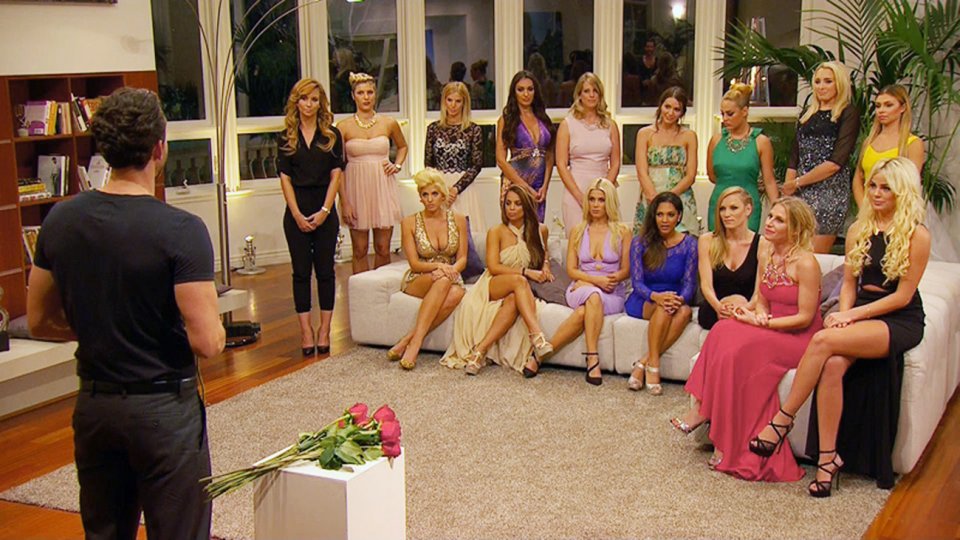
Then there's what I call the "Bachelor" factor. The artificially created competitive situation is a parallel world where it's more about attention and glamour than the actual work on the previously set goals. How much honesty can you expect in such a situation? If the principle of spontaneous selection from variety worked, every "Bachelor" season would end with a long-term relationship. But that rarely happens. And honestly, who would claim that you could find a life partner with such a concept? Exactly, no one. So why in business?
Modern companies are already a step ahead. Agile working is the magic word. This means working together as a team on a good solution, not that one person believes their vision is the right one and the rest just execute. The good old agency world is passé. Relevance, transparency, participation, equality, and identification are the words of our time. It is therefore appropriate that we start a new discourse about our way of collaborating.
What could alternatives look like?
Let's return to the Bachelor model. Why doesn't it work? The Bachelor initially has a wide selection, but he only gets to know the real life of his chosen ones at the end of the season when he is introduced to their families and gets to know their actual private environment. The problem is, by then he has already said goodbye to 90% of the selection. Pitches are handled similarly, except that the CEO doesn't even get to know the real agency life before making a decision. The chance that he is not satisfied in the end is therefore high.
But couldn't it be done the other way around? Of course! Instead of the client having the agencies come to them, a project team from the client could work on real projects with agencies on-site during a getting-to-know-you phase. This way, the client not only gains insight into the company's culture but also learns about different problem-solving approaches and gets a sense of which agency suits them better. This may seem labor-intensive at first glance, but it saves a lot of money and patience in the long run. (And it also strengthens the client-team relationship)
Another option would be selection based on reference. When invited to a pitch, little consideration is given to the agency's planning. It's said, in two weeks there's a presentation - take it or leave it. But that's not how you get the best people, only the teams and agencies that currently have time for the pitch. It would be more appropriate to specifically ask for the team responsible for a particular reference and inquire about their next available timeframe. The agency would love their client for such an approach.
Likewise, one should question whether the classic budget mindset is still contemporary. Dependency relationships are inherently not a good starting point for an open and flexible dialogue. Of course, a lot needs to happen on the client side as well. They can't blindly leave the choice of technical solutions to the agencies and then later wonder why they can't perform updates without additional costs. Equal footing is what matters, and that means for clients too: build competence!
Recent examples, like the discussion about the Mercedes Pitch, show that our industry is already starting to question its actions. And the clients who only grab ideas during the pitch will, in the long run, go the way of the dinosaurs into their sunset. A new generation of agencies is coming, and they need challenges, not competition.
"The Bachelor" Wednesday, 02/18/15 at 8:15 PM on RTL.