Virtual Experiences: How to Create a Lively Experience Online?
, Demodern

Virtual experiences were in demand last year like never before. At Demodern, we have implemented quite a few since 2020 – from a virtual event platform to a showroom experience and even a live festival space. For each experience, we develop a tailored concept according to the orientation. Virtual experiences bring their own unique advantages compared to offline events – so how do you make the most of them and create a lively experience online?
Creating an immersive experience
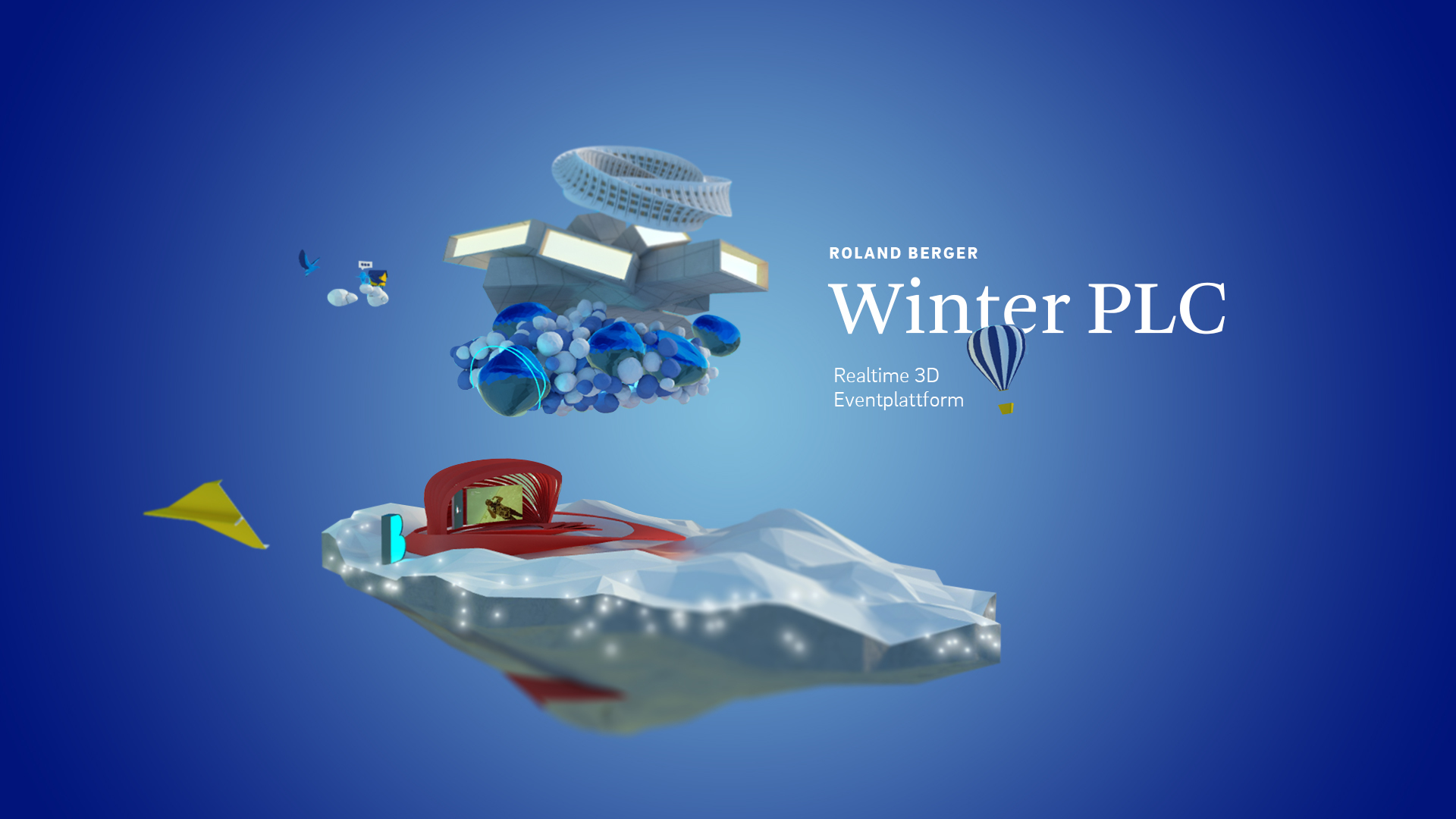
To keep user engagement high over a longer period, virtual experiences today need to offer more than a classic 2D interface. That's why we started exploring browser-based experiences relatively early. For example, by thinking spatially, creating an immersive and interactive world that users can dive into.
A major advantage is that we are initially not limited in the virtual world. Anything that cannot be implemented physically or only with a high budget is not a problem virtually: Whether imaginative objects, oversized product representations, or crazy environments – almost anything is possible to create a world that excites. It is important to find the right balance between what visually impresses in the virtual world and what is still understandable for the user. Analog references can support at some points to make functionalities more comprehensible.
Conveying a sense of community
Nothing feels more lifeless than the feeling of being completely alone on a platform. Our first approach in designing virtual experiences was therefore to work with avatars that users can move around the platform with. It's not about creating a second Sims or Second Life, but about enabling participants to be spatially close in the virtual space. They enhance the user's immersion and also show their location on the platform in real-time. This makes it immediately apparent to a user where something exciting is happening on the platform.
Dance it off
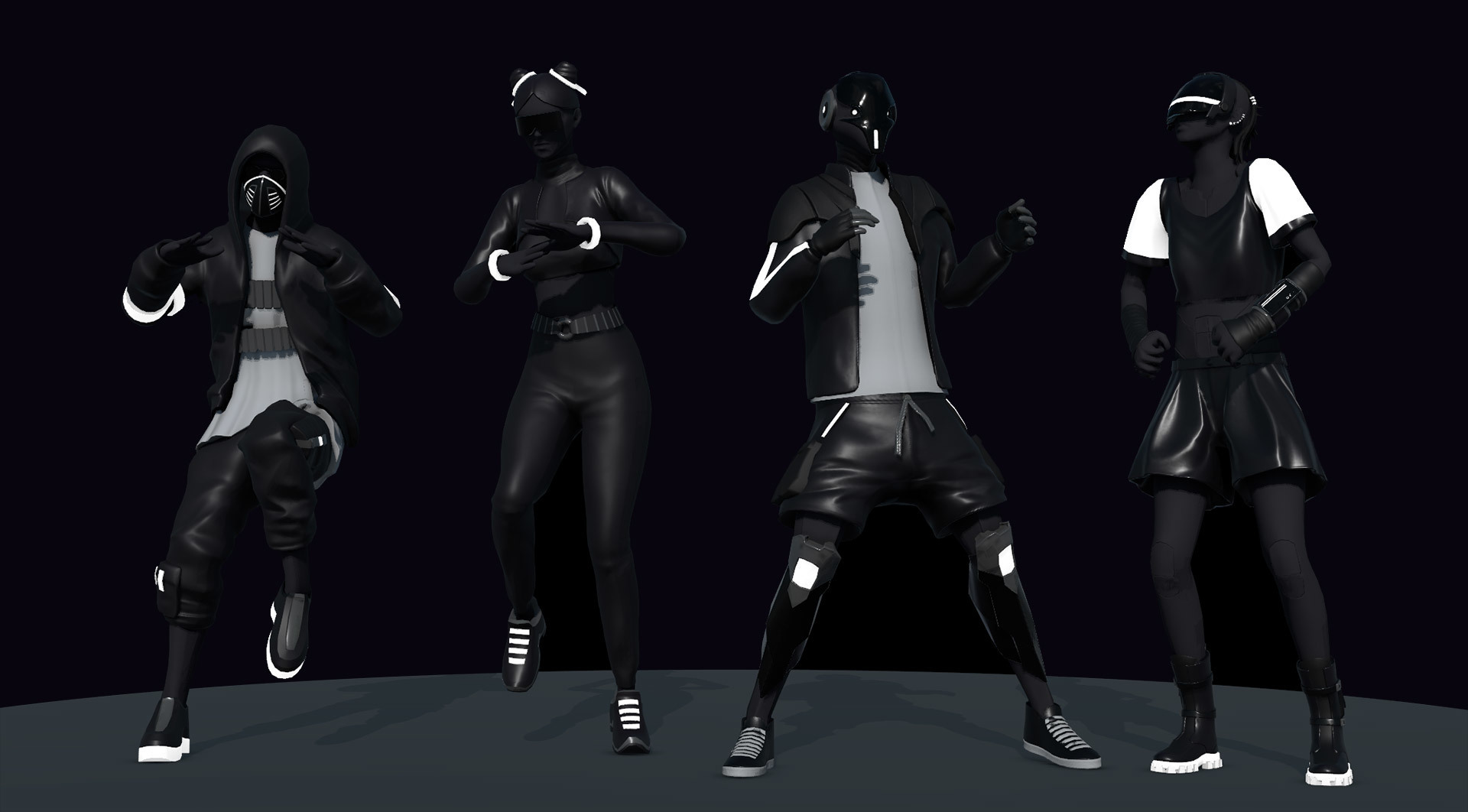
In the virtual club landscape we implemented for the DJ duo "Kollektiv Turmstrasse," it quickly became clear that the main focus should be on celebrating together with friends. Therefore, users can not only move freely in the 3D environment with their avatar but also finally dance with friends again. We created eight unique dance moves for this. The avatars are not just a cosmetic tool here but an essential part of the experience.
A custom brand experience
A virtual experience also allows a brand to be conveyed much more broadly than just through a trade show booth. From the 3D environment to the look and movement of the avatars to the lighting mood – everything is customizable and part of the brand. The representation of potential supporters can also be particularly well and flexibly integrated virtually.
Make it personal
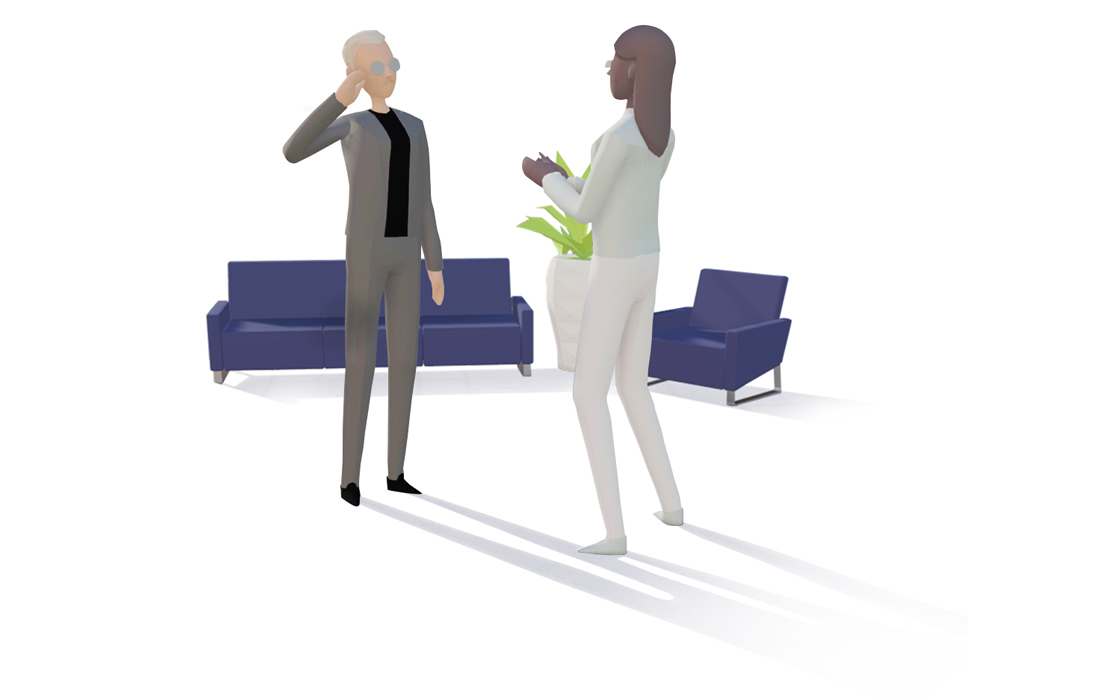
Studies show that user acceptance of avatars increases significantly when they have designed them themselves. So, in our virtual showroom experience for LG, we gave users numerous options to create themselves or their personal desired look. Avatar customization helps users express their own identity and individuality in the virtual world.
We also equipped the avatars with gestures. These were extremely well received by users and significantly supported playful contact in the virtual space.
Buzz around
However, we have noticed that avatar representation does not work for every client. Some find them too playful, or they don't seem suitable for the target audience.
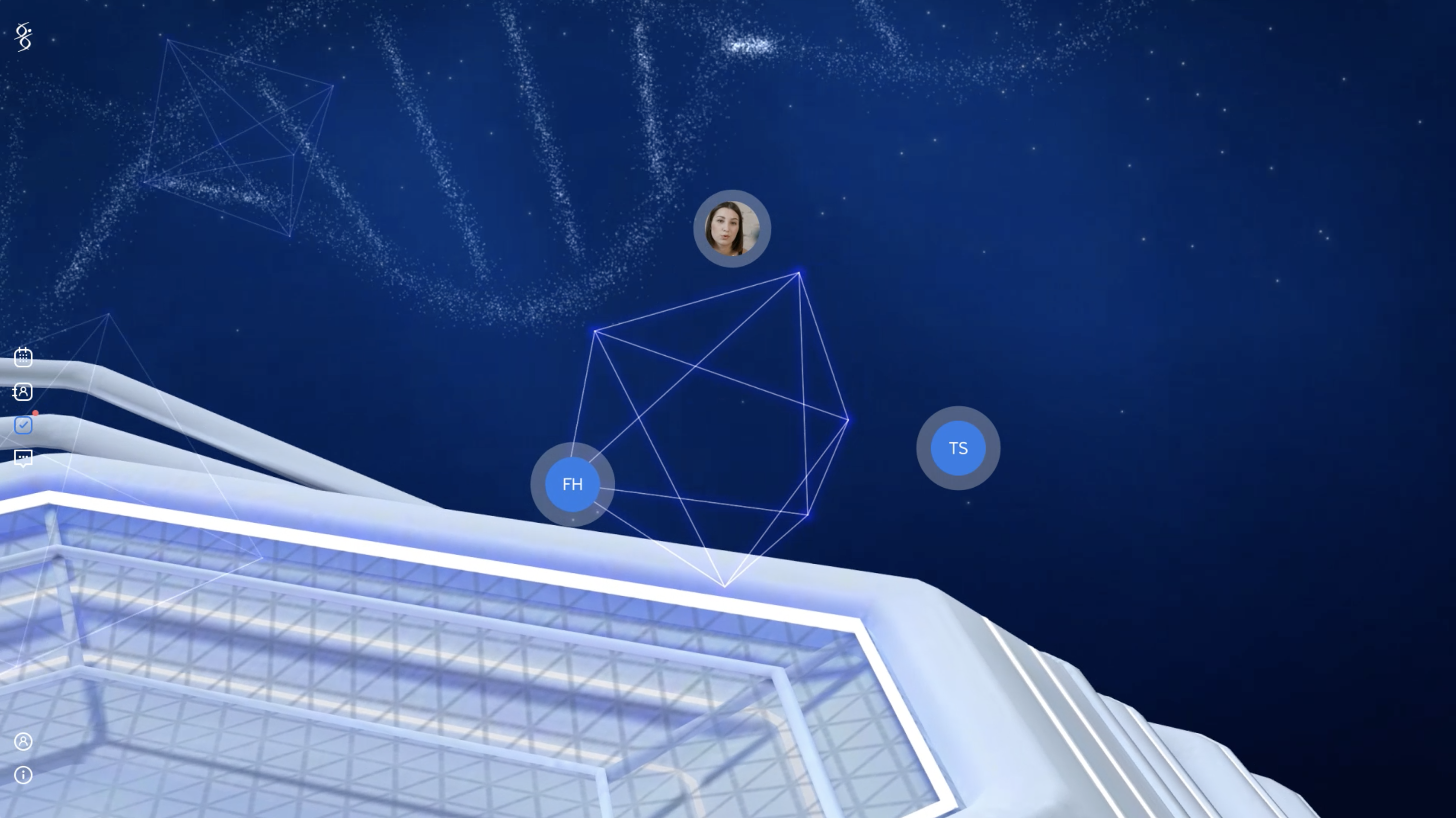
Therefore, we have explored alternatives. One approach is representation through so-called wisps, small glowing particles that float around in the virtual space. Wisps are visually much more subtle and allow large crowds to be represented without requiring a huge 3D space. This makes them overall more efficient in terms of space and performance.
Engaging the audience
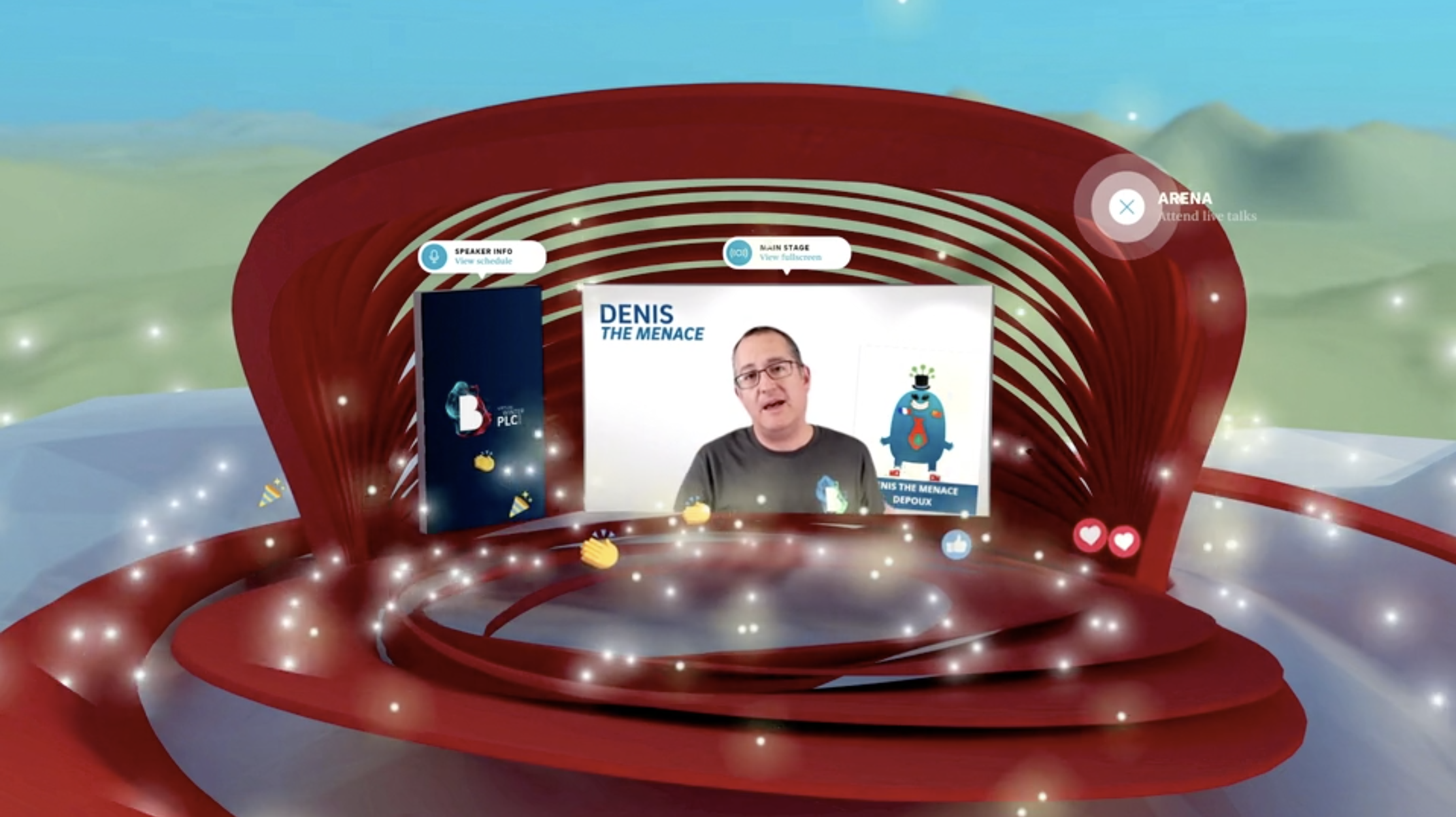
To create a lively virtual experience, it is important to engage the audience. Interactive content allows the user to actively become part of the experience, thus increasing user engagement and ideally their retention rate. Therefore, we looked at what features we can provide to participants so they can participate in the event from home.
The feature set naturally depends heavily on the orientation of the experience. Features like live emoji reactions or an overarching event chat make it into almost all of our applications. But live polls or interactive quizzes also allow users to actively participate from home.
Inspired by platforms like Clubhouse or Discord, we have integrated on-platform audio rooms in our latest virtual event experience. Thanks to their low entry barrier, they allow for a quick chat at the coffee stand or exchange after a presentation in the speakers' corner. Users spent an average of about 10 minutes in the thematically predefined audio rooms.
Next level experiences
From our perspective, virtual experiences create new opportunities that offer added value far beyond the pandemic. Our goal is never to replace the live experience on-site but to see how we can best complement it.
A clear advantage is certainly that we are overall more flexible virtually. This applies, for example, to the number of participants in relation to the required premises and space needs. Additionally, users can participate regardless of their location – allowing us to reach a global audience and even increase the event's reach.
Entertainment can also be varied. A virtual after-show party or a short yoga session during the break can also be integrated virtually for all participants.
With the right technical infrastructure, content can also be flexibly adapted during an event. Whether it's an agenda item that has changed spontaneously or content that needs to be quickly made available to participants.
The pandemic ultimately only accelerated the development of hybrid and purely virtual experiences.
The future of web is spatial
Some clients realized at the beginning of the pandemic that spatial web experiences are more than just a trend – they are the way we will think about browser-based experiences in the future.
Via WebAR and VR, these can also be extended, allowing users to interactively experience spaces, products, or 3D animations in their own living room – without downloading an app. Combined with the development of cloud-based rendering over 5G, everyone will be able to use high-quality real-time 3D environments independently of their device. And the more authentic the representation of a 3D scene, the stronger the user engagement.
Our key takeaways summarized:
→ Interactive spatial web experiences create a more immersive experience
→ User representation in the virtual space is essential so that users also feel spatially close online
→ Customization options for avatars help users express their individuality in the virtual space
→ For a lively experience, it is important to actively involve users rather than letting them consume passively.→ A (complementary) virtual experience can be designed much more flexibly
→ WebAR and VR can extend the user experience interactively