Wrist Wars
, Demodern

Thanks to the annual CES madness, it's already clear what the focus of major tech brands will be in 2015: After last year's initial wearable hype, this year will likely revolve around pinning small computers to every conceivable body part. Eyes, ears, torso, feet - nothing remains untouched. And the epicenter of it all is: the wrist. The entire industry has been waiting for some time for the long-announced user acceptance test of the Apple Watch. Will it convince the typical advocates and establish itself as state of the art? Although the Apple Watch is one of the most well-known concepts for the modern wrist, it is essentially just one of hundreds of products making their way to the mass market in 2015.
Currently, we are seeing many approaches ranging from pimped watches to entirely new categories of wrist jewelry. Fundamentally, the topic is approached from two directions. On the one hand, as a metaphorized future vision of traditional watches, and on the other hand, as the ongoing miniaturization of computers.
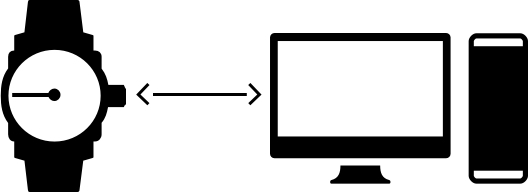
What is this thing? A watch, a mini-computer? A mix of both? Or even the same?
(Watch icon by Jamie Rothwell, computer by Edward Boatman via The Noun Project)
While the core function of traditional wristwatches has always been in communicating status and as a fashion statement - especially in times where the time function increasingly shifts to smartphones - the identity of the computer is defined by its functionality. These different perceptions provide the basis for a fairly broad range of products for this relatively young field. Nevertheless, most products have one thing in common, albeit to varying degrees: dependence on the smartphone.
Anyway. Time to take a closer look at some models:
Apple Watch
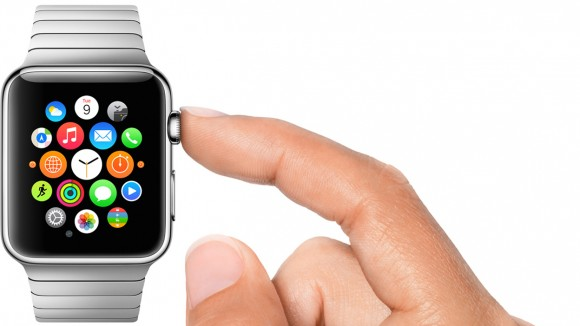
Product photo Apple
As already mentioned, the Apple Watch is probably the product the industry has been waiting for. Especially because it combines traditional watchmaking with personal computing, as Jony Ive eloquently and extensively explains in the presentation video. This device draws on the design idea of the wristwatch as a fashion accessory. Typical for Apple products, which - for the state-of-the-art - feature highly miniaturized technology that should not be the focus for the wearer. It is the usage, not the specifications, that defines the device. This kind of design sensitivity has already made an impression before the product was even officially published, prompting many other manufacturers to try to jump on similar design trends.
Virgin Media's KipstR
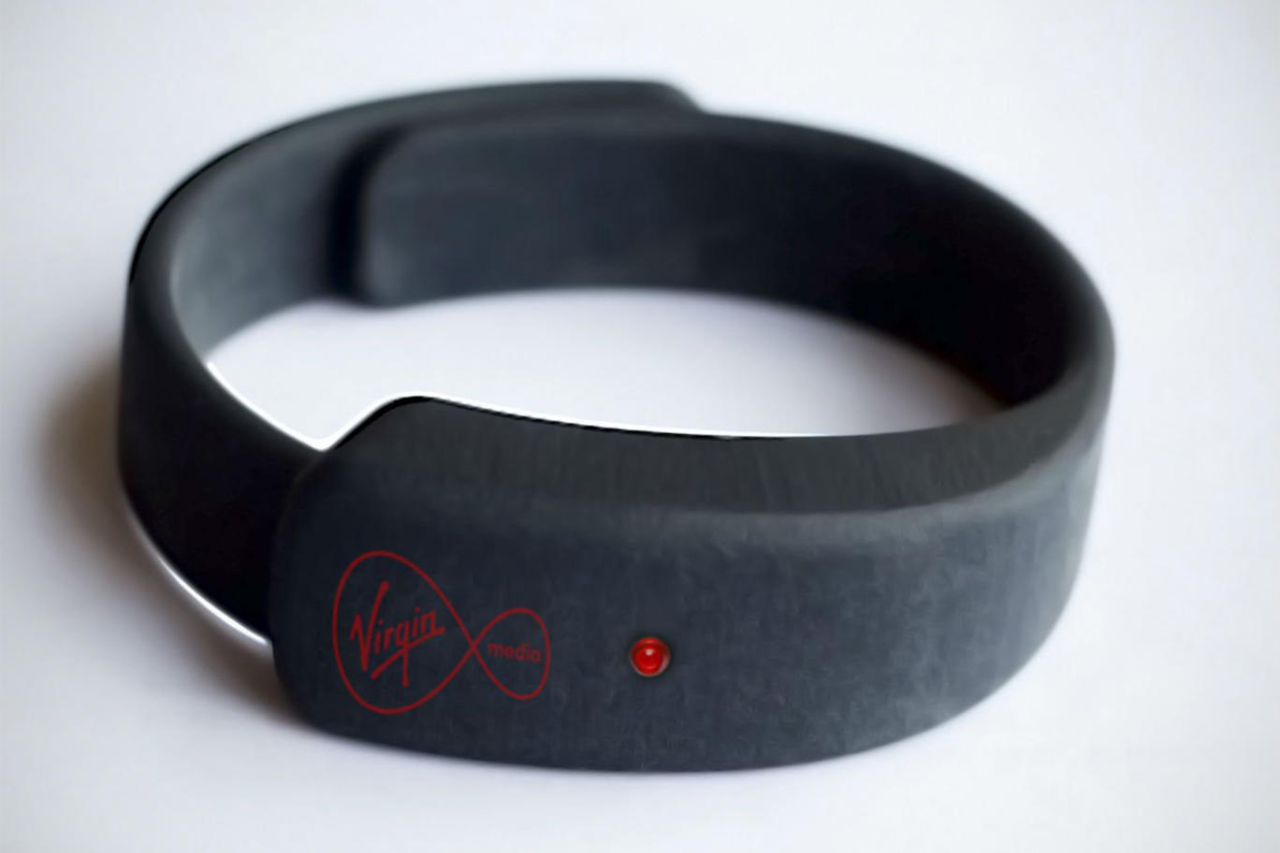
Product photo Virgin Media
The KipstR, currently still in the testing phase, describes a device concept designed for a single purpose: to detect when the user falls asleep in front of the TV and then trigger recordings. Not entirely sure how serious the product actually is, we have included it to illustrate a core aspect. Functional singularity has made many mobile apps very successful. Untangle the clutter, focus on one point and perfect it (incidentally one of Apple's mantras) is definitely a valid approach here. But does this also apply to this type of device? While smartphones can host a huge number of apps with just one purpose, the wrist offers only limited space. Does this imply that one needs a Swiss Army knife of a device that prepares one for all eventualities - from fitness tracking to room temperature control? Or will user behavior change so that individual devices are used for specific purposes? Well, maybe there is a market for wearables in the Batman utility belt style - or we just do it like this guy.

Incidentally, the approach of functional singularity can also be found in other products, such as the Hyundai BlueLink Watch, which targets vehicle functionality, or the First Alert One Link Watch, which communicates with First Alert's security system.
Montblanc Timewalker Urban Speed e-Strap
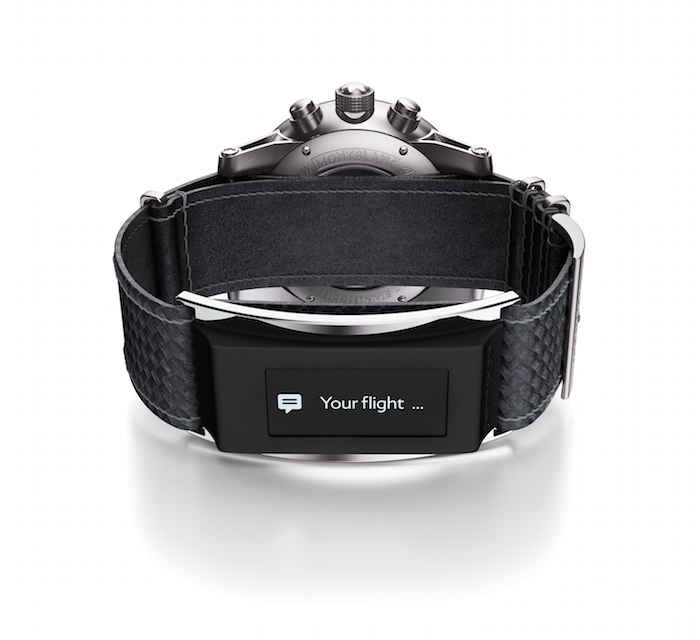
Product photo Montblanc
The product from Montblanc is the luxury watch manufacturer's first foray and another quite interesting approach. Instead of focusing on the core of a watch - replacing mechanical elements with digital components - they opted for a new user experience on the strap. This way, both worlds remain untouched and the strengths of each are utilized. On one hand, the watch as a fashion accessory, complemented by the device on the strap with typical notification and tracking features. To a certain extent, independent of the digital component of the product, certainly a small aftermarket compromise and cautious step into the world of digital communication. But still a good strategic positioning for Montblanc:
The digital part can be updated independently of the watch, allowing existing customers to retrofit their watch with the new e-strap at any time. In comparison, with other approaches in this area, one often feels exposed to a compromise between utility and beauty. As in the example of Martin Watches.
Moto 360 & Alcatel One Touch
Product photo Alcatel
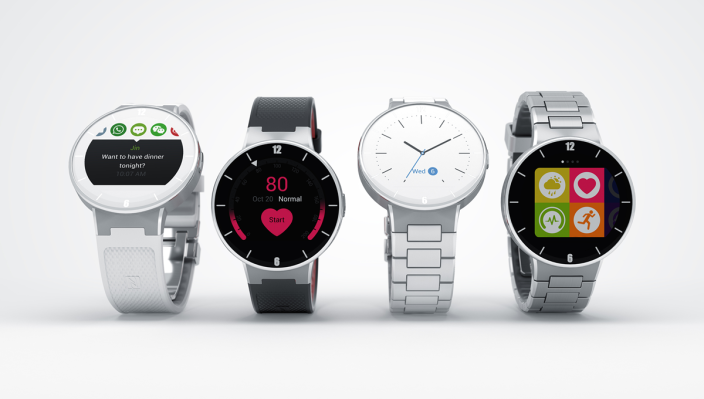
This class of watch devices embraces the approach of complete digitization of the watch while maintaining the traditional round shape of the case. The decision to retain the classic iconography of a watch initially puts any computer connotations in the background. Although a highly technologized device is also present here, the product appears fundamentally more "undigital" than with Apple. Important info for iPhone users: While the Alcatel device is fully compatible, the Moto 360 works with Android Wear software.
Alcatel product page
Moto 360 product page
Looksee Fashion Labs & Misfit Swarovski Shine
Product images Looksee & Swarovski
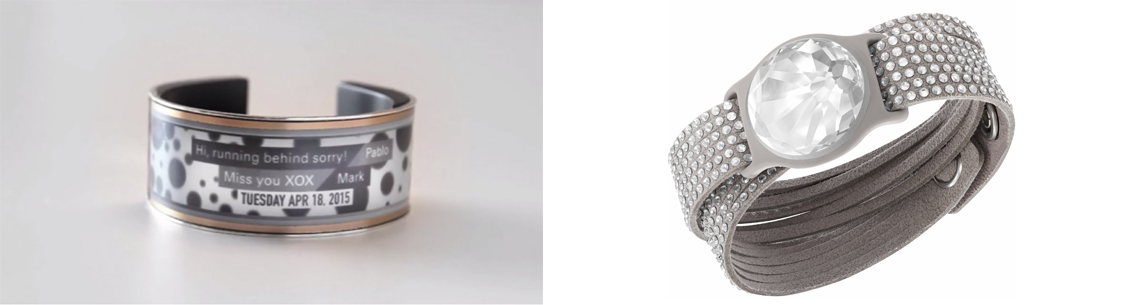
Although they can't really be called "watches," these two products are very interesting in their own way. Both are, without a doubt, primarily fashion accessories and then tech gadgets. The LookSee Band has a wraparound e-Ink display, while the Swarovski device has none. The idea here seems to be to subtly extend the original experience without overly affecting the product's aesthetics. Additionally, both products are more targeted at women, who have found the smartwatch market largely uninteresting due to the large and masculine product design. Nevertheless, it would be interesting to see how major players in the industry approach a female luxury accessory that is both elegant and yet simple and unproblematic to wear daily.
After CES is before CES
This is, of course, just a small excerpt of the Wrist Wars. This year, such a multitude of different devices with different forms, content, and functions are storming the market that it is becoming increasingly difficult to keep track. Perhaps the Wrist Wars are already over before they even started. Because many exciting wearable concepts are already skipping the wrist and focusing on other body parts. For example, the promising idea of the Bragi Dash in-ear headphones, which track, measure, control, and inform as wireless plugs in an elegant and passive way. Certainly an interesting concept with a lot of potential. It remains exciting to see what else awaits us. Either way, we see a much more attractive and realistic vision in the here than in this.