Ambient AI: when personality becomes the interface
, Alexander El-Meligi
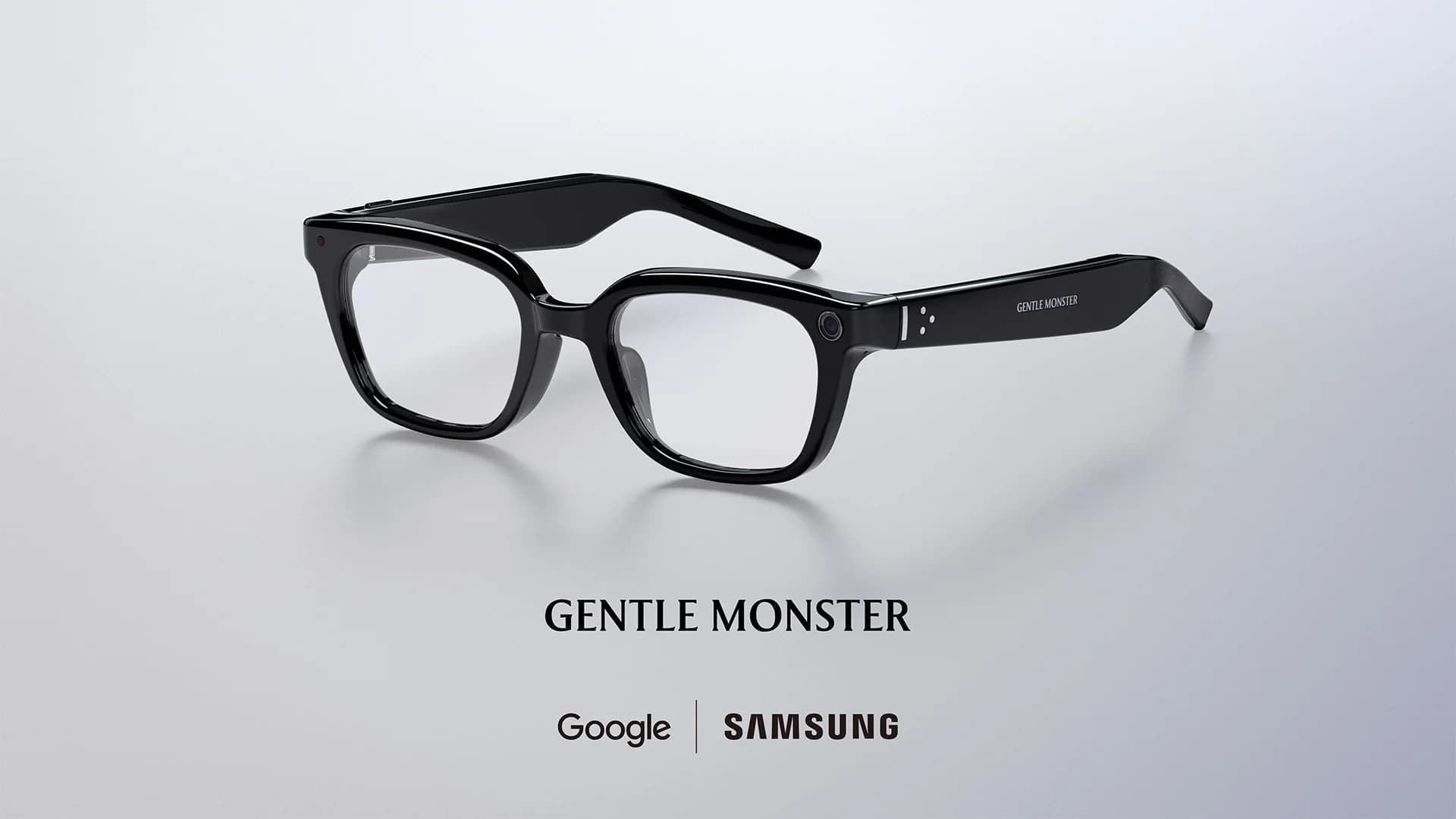
Ambient AI is artificial intelligence that doesn't live behind a screen but in our surroundings: in glasses, rooms and products that see, listen and respond. Where there's no classic interface anymore, the AI's personality becomes the interface: how it speaks, when it speaks and when it stays silent. For brands, the design task shifts from how they look to how they behave.
From the app into the room
The idea is older than the current hype. In the late 1990s, Eli Zelkha and his team coined the term "ambient intelligence" for environments that sense and respond to the people in them. What was a vision then is becoming a product now. In July 2026, Samsung presented AI glasses without a display that perceive their surroundings through a camera and microphone and respond by voice. They're just the latest sign that AI is moving from apps into products and spaces.
I find this development genuinely exciting, because it changes how we design applications. And it matters more with every product AI moves into.
Personality is the interface
For brands, this is where it gets interesting. Without a screen, there's no layout, no color and no button for a brand to express itself through. What remains is behavior: how the AI sounds, when it speaks up and when it stays respectfully silent. That's what people remember.
Two products with the same capabilities can feel completely different because of it. The difference isn't in the technology. It's in the design. Only that design is no longer visual. It's character.
What we see in practice
We notice this in every AI application we build, voice or text: the hardest design decisions aren't visual anymore. That's why our AI Chat Agent adapts not only interface and typography to the brand, but also its tone. How an assistant speaks on behalf of a brand is ultimately a brand question, not a technical one.
Response time is body language
I've also learned how unforgiving this craft is. Latency decides everything. Wait one or two seconds too long for an answer, and a conversation turns into frustration. Without a screen, there's no loading bar to explain the wait. Response time becomes body language. That's why we built our Chat Agent for speed, streaming answers in real time.
One question I keep turning over: how do we measure impact in this world? Clicks, time on page and conversion paths all assume an interface. I don't have a finished answer yet, and honestly, that's exactly what I find exciting.
The end of the settings menu
What fascinates me most is something else. Screenless doesn't mean fewer options. It means the end of the settings menu. "When I'm working out, keep it brief." "In the car, urgent things only." "Around my kids, stay quiet." No app has those toggles, because no designer could have predicted them. An ambient AI listens once and remembers.
With every conversation it gets to know the person a little better, and transactions turn into a relationship. The settings menu offered choices someone else imagined. Ambient AI follows the ones people actually have.
There's a flip side that needs to be taken seriously. An AI that remembers needs trust. People have to be able to see what it remembers and change it at any time. Get careless here, and you lose exactly the relationship that matters.
What this means for brands
It raises new questions: How does our brand sound when it speaks? When should it speak up, and when not? And how do people notice that it's listening? Today these questions often end up in IT. They belong just as much in brand management.
At its core, it's the same idea as with trade fairs and events: the best technology is the one that disappears into the experience. With ambient AI, that becomes literal.
Brands spent a century designing how they look. The next decade is about designing how they act. See how we develop AI applications for brands in Artificial Intelligence.