Smart glasses: wearability is the product
, Alexander El-Meligi
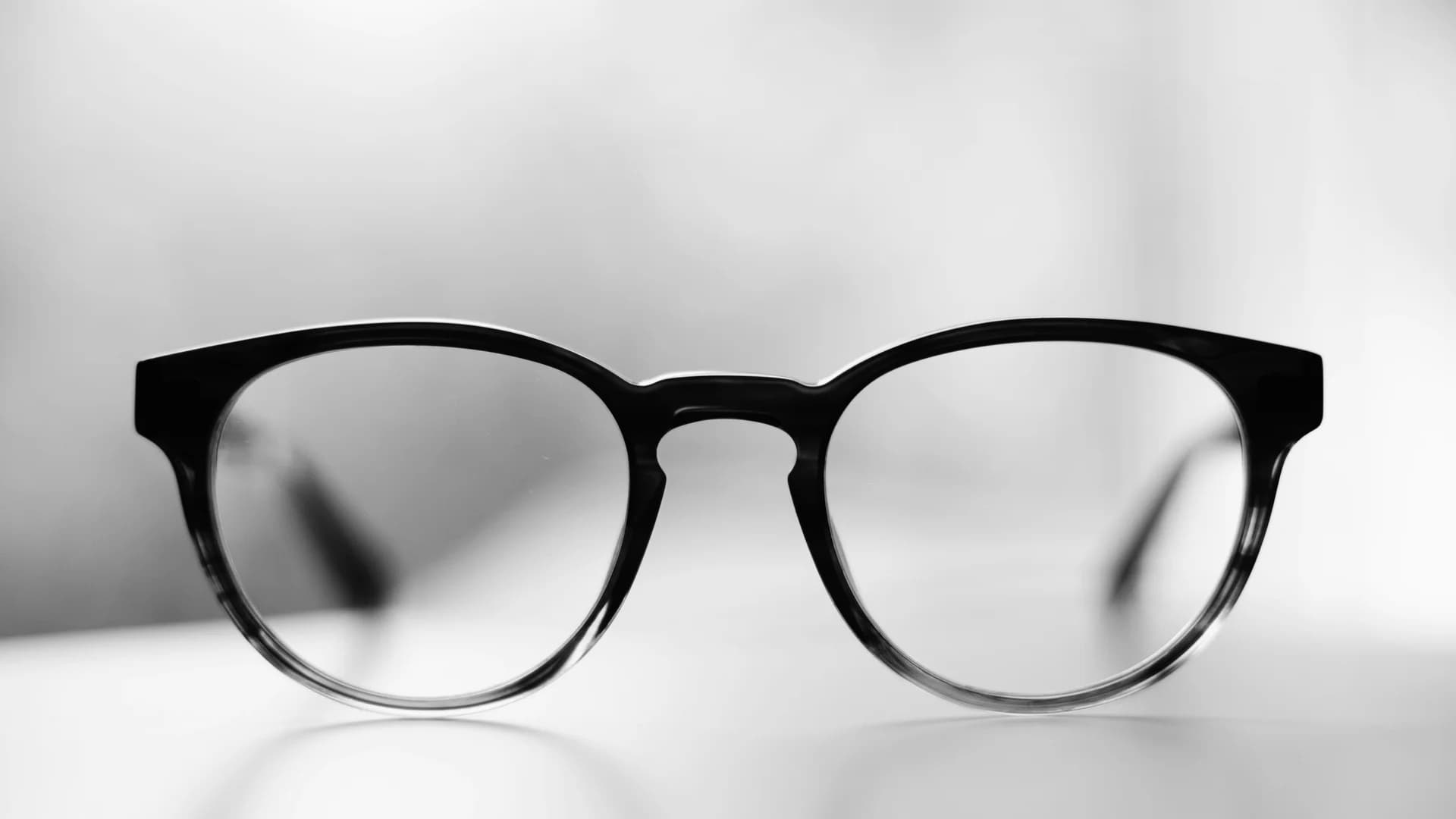
The smart glasses market is moving in a clear direction: less. The winners aren't the glasses that can do the most, but the ones that do a few things so well you'll wear them all day. Wearability isn't a compromise. It's the actual product.
Two headlines, one week
In July 2026, two headlines landed a week apart. Even Realities raised 150 million dollars at a one billion dollar valuation, for glasses that deliberately have no camera. Just a discreet display for navigation, translation and notifications.
Meanwhile, Lenovo wound down its enterprise XR unit and moved everything wearable to consumer AI devices under Motorola. One company gets rewarded for leaving technology out. The other walks away from the device that could do everything.
Wearability beats capability
The pattern: wearability beats capability. The maximalist track isn't dead, Snap offers its Specs at 2,195 dollars. But it's becoming a developer and early-adopter play, while the everyday product is designed by subtraction.
Three years ago, I described how smart glasses could replace the smartphone. The path there looks different than expected: not through maximum capability, but through everyday wearability.
The right question
The question is no longer "what can it do?" It's "which few things does it do so well that you'll wear it all day?" Fewer use cases, chosen right, beat any spec sheet.
For brands, that means applications for glasses aren't built like apps. They have to be useful within seconds, often without a screen, and must never get in the way. That puts behavior front and center, an idea I explore further in the article on ambient AI.
What has happened since
The thesis was confirmed faster than expected. Two days after this text, Samsung presented AI glasses without any display in July 2026. In September, Meta followed at Connect with Ray-Ban Meta Audio, glasses with no camera at all and, according to Meta, its lightest AI glasses yet.
Of all companies, the market leader whose glasses line is built around a camera is now shipping a version without one. The everyday product is designed by subtraction.
Less, but right
Wearability isn't the compromise. It's the product. And for brands, the exciting task will be to design experiences for those few moments that feel completely natural.
See how we develop augmented reality experiences for brands in Augmented Reality.