Branded games: participants, not an audience
, Alexander El-Meligi
Branded games turn viewers into participants. The 2026 FIFA World Cup on Roblox showed it: by the quarter-finals, FIFA counted 21.3 million visitors in the virtual stadium, more than three times the number of fans in the real stadiums. For brands, the question is no longer just where to place a message, but what people are able to do with it.
A second venue
The biggest sporting event on Earth had a second venue in summer 2026, and it wasn't a stadium. FIFA brought the World Cup to Roblox: all 48 national teams were playable, real scores and standings from the tournament fed into the game live, and quests ran across six connected games until the end of July.
It was more than a marketing activation alongside the tournament. It was a parallel version of it. For a generation that has grown up in digital worlds, the World Cup is no longer only something they watch their team play. It's something they can play themselves.
More visitors than the stadium
The numbers tell quite a story. By the quarter-finals, FIFA counted 6.25 million fans in the real stadiums and 21.3 million visitors in the virtual one. More people walked into the digital stadium than the real thing.
And the two moved together. When the knockout rounds began, daily visits doubled. Every real goal made the virtual stands a little fuller. The digital experience didn't replace the tournament. It extended it.
Participants, not an audience
Watching creates an audience, playing creates participants. The virtual stadium didn't broadcast the tournament, it handed it to people: their country's jersey, their match, their goal, celebrated with friends. The best digital venues don't replicate an event. They make it yours.
At Demodern, we see this shift across brands and industries. The question is no longer just where to place a message, but what people are able to do with it.
An example: the Customs Campus on Roblox
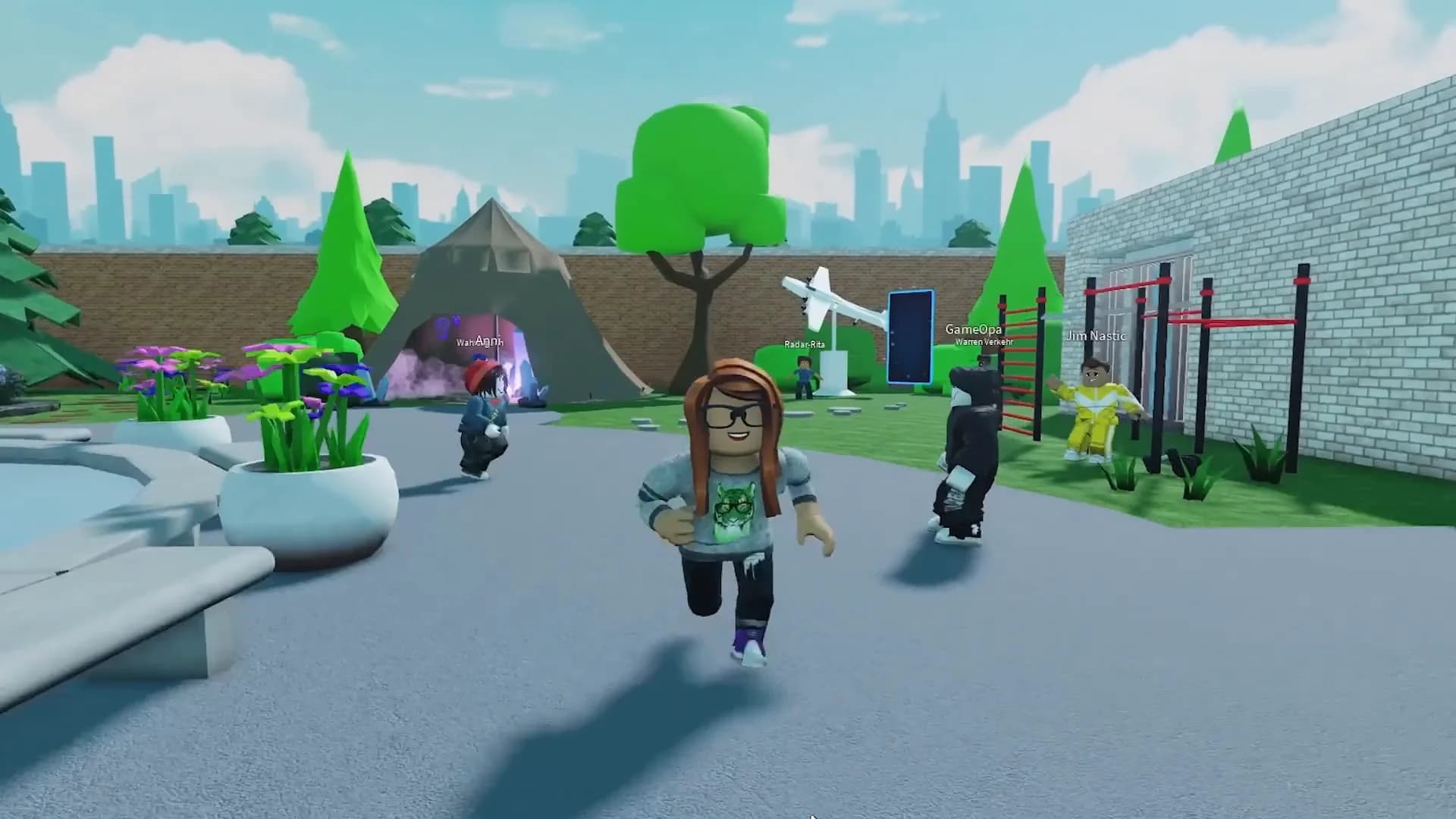
It doesn't only work for global brands, as one of our own projects shows. For German Customs (Zoll), we built a campus on Roblox that turns career orientation into a game. Instead of brochures and career fairs, young people discover job profiles where they spend their free time, in games about airport customs, taxes and IT. The experience went live in September 2025. All 3,000 limited UGC items sold out within days, and more than 25,000 people visited the campus in the first month. More on the project
Not for every brand
Of course, not every brand belongs on a gaming platform. What matters is whether it can offer something to take part in that fits the platform and the audience. A logo in someone else's world isn't an experience yet.
There's more: in these worlds, users shape things too, and a digital place needs care for its entire run, not just a launch. Plan it as a one-off campaign and you give away exactly the part that creates participation.
Places, not broadcasts
Still, the direction seems clear. The events that matter will increasingly become places we enter, not broadcasts we receive. And participants are often still there long after the final whistle.
See how we develop games for brands that create exactly this kind of participation in Branded Games.